Underground Infrastructure • Brooklyn, NY
Sewer Line Repair in Homecrest, Brooklyn
Chronic main line backups, foul sewer odors, and subterranean pipe settling indicate serious structural compromise in your building's primary waste connection. We deliver specialized sewer line repair in Homecrest, Brooklyn, conducting fiber-optic camera diagnostics, precision spot repairs, and full main sewer replacements with minimal landscape disruption.
Diagnosing Subterranean Waste Line Compromise in South Brooklyn
Beneath the streets, sidewalks, and driveways of Homecrest, Sheepshead Bay, and Gravesend, residential main sewer lines carry thousands of gallons of daily wastewater to municipal treatment facilities. In properties built throughout the early-to-mid 20th century along Ocean Parkway, East 15th Street, and Avenue U, underground sewer connections were originally constructed using vitrified clay tile or extra-heavy cast iron.
Over generations, shifting sandy soil, street tree root growth, and internal channel corrosion cause sewer pipes to fracture, offset at joints, or collapse entirely. When faced with persistent blockages, securing expert sewer line repair Homecrest Brooklyn is vital. Clearing a line with a cable snake provides temporary relief, but verifying the structural health of the line via video diagnostics ensures lasting wastewater containment.
Urgent Sewer Backup Alert
If raw sewage is backing up into basement floor drains, bathtubs, or utility sinks, stop all water usage immediately. Avoid contact with contaminated water and call our diagnostic dispatch team directly at (315) 202-8009.
Comprehensive Underground Sewer Services
Our underground utility specialists handle every phase of sewer diagnosis and structural repair:
High-Definition Sewer Camera Surveys
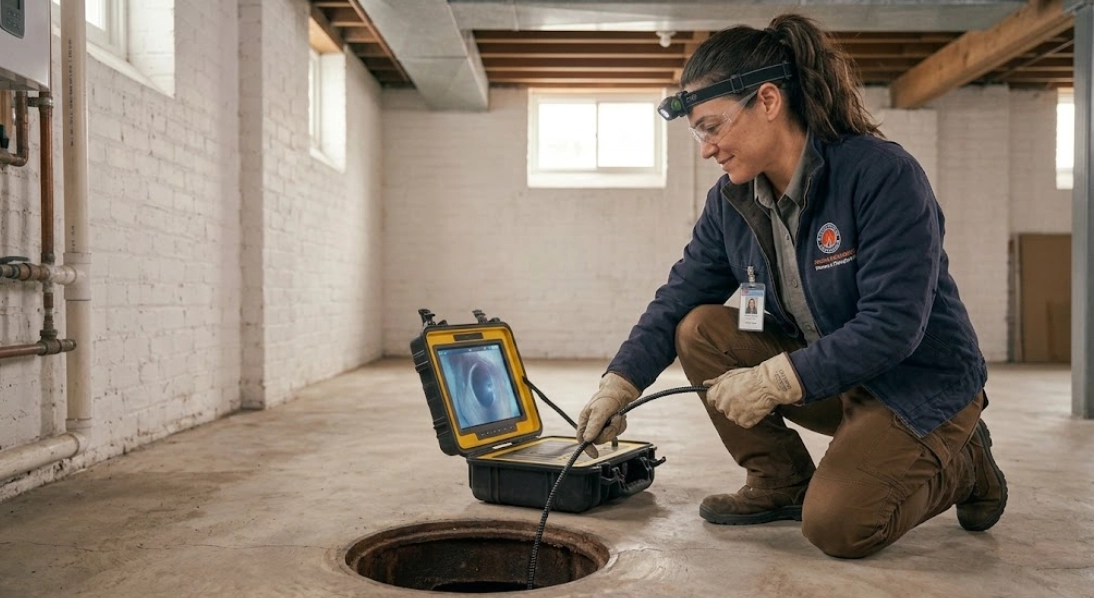
We deploy self-leveling fiber-optic cameras equipped with radio sondes through main house traps. Real-time video reveals cracks, offsets, root intrusion, and belly depressions, pinpointing exact depth and street coordinates.
Targeted Excavation & Spot Repairs
When pipe deterioration is limited to a single section under a driveway or front lawn, we excavate a precise trench to replace the compromised segment with heavy-duty cast iron or PVC, saving thousands over full replacement.
Full Main Sewer Line Replacement
When clay pipes have disintegrated or cast-iron channel rot is widespread, we install a complete new sewer service from the building foundation out to the street sewer spur, fully compliant with NYC DEP specifications.
House Trap & Cleanout Modernization
We replace cracked, seized, or unvented running traps in basements with modern two-way cleanout assemblies, providing easy mechanical access for snaking and camera inspections.
Property Owner Responsibilities Under NYC DEP Regulations
Many property owners in Brooklyn mistakenly assume that the City of New York is responsible for sewer lines located outside their property line beneath the sidewalk or roadway. However, under New York City Department of Environmental Protection (DEP) regulations:
- Complete Owner Responsibility: The homeowner owns and is legally responsible for maintaining the entire sewer house connection—from inside the cellar wall all the way to the connection spur on the municipal street sewer main.
- Street Excavation Permits: Work in the street or beneath sidewalks requires permits from the NYC Department of Transportation (DOT) and DEP, executed by a Licensed Master Plumber.
- Backwater Valves: To prevent street sewer surcharges from backing up during intense coastal storms or cloudbursts, installing an approved backwater prevention valve protects low-lying basements.
Diagnosing the Problem vs. Confirming the Root Cause
When a toilet bubbles and water overflows into a basement shower, the initial diagnosis is clear: a main line stoppage. However, treating the stoppage without identifying the underlying physical cause guarantees the backup will recur.
A mechanical snake can bore a hole through an invasive tree root cluster or paper obstruction, restoring water flow for several days or weeks. However, the root ball remains inside the pipe, and the fractured clay joint through which the roots entered continues to weep wastewater into the surrounding soil. Only a post-clearing camera survey confirms whether the issue is simple debris, a broken joint, a severe sag, or a collapsed pipe wall.
Integrating Sewer Health with Boiler and Building Plumbing
Your main sewer line is the central artery of your property's plumbing infrastructure. When underground sewer lines are obstructed, central heating boilers cannot drain safely during maintenance flushing, and domestic water heaters and sinks back up simultaneously.
If your system experiences slow branch drainage before complete backups occur, explore our professional drain cleaning options. For unexplained water pooling in cellar slabs or around building foundations, consult our specialized leak detection team. If heating equipment or boiler drains are compromised, learn more about our boiler repair in Homecrest protocols.
Root Management Advisory
Chemical foaming root killers provide temporary suppression of root growth inside sewer lines, but cannot repair fractured pipe joints. Once root intrusion has cracked a pipe, permanent physical excavation or trenchless repair is required to prevent pipe collapse.
Frequently Asked Questions About Sewer Line Repair
Under New York City Department of Environmental Protection (DEP) regulations, the property owner is entirely responsible for the maintenance and repair of the sewer service line from inside the building all the way to its physical connection at the city sewer main under the street, including the connection spur.
A self-leveling color camera with integrated LED illumination is pushed through a main building cleanout. Real-time high-definition video reveals cracked pipes, tree root intrusion, bellies (low sagging spots), offset pipe joints, and heavy cast-iron corrosion, while an integrated sonde transmitter allows above-ground locators to pinpoint the exact depth and location of the problem.
Key symptoms include recurring sewage backups across multiple lower-floor fixtures, persistent sewer gas odors in the basement or yard, gurgling sounds from toilets when laundry machines drain, and localized depressions or sinkholes in driveway or lawn areas along the pipe path.
If a camera inspection confirms that the overall pipe structure is solid and damage is confined to a single localized root intrusion or isolated fracture, a targeted excavation or spot repair is cost-effective. However, if the pipe has multiple fractures, extensive bellies, or severe channel rot throughout, full replacement provides lasting protection.