Certified Fuel Gas Safety • Brooklyn, NY
Gas Line Repair & Inspection in Homecrest, Brooklyn
Natural gas systems power essential heating boilers, hot water heaters, and cooking appliances across Kings County. When facing gas line corrosion, utility red-tags, appliance hookups, or mandatory compliance inspections, we provide certified gas line repair in Homecrest, Brooklyn, executing rigorous pressure testing and code-compliant piping restoration.
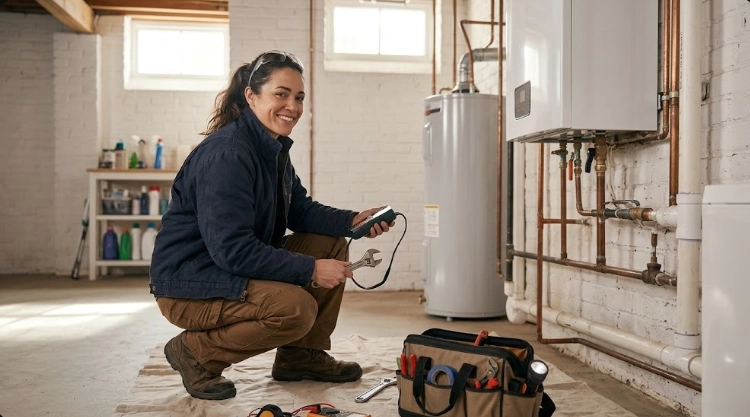
Precision Fuel Gas Piping Services for Residential & Multi-Family Properties
In Homecrest, gas piping infrastructure encompasses everything from historic threaded black iron lines installed in multi-family pre-war buildings to modern schedule-40 welded steel distribution mains in renovated brownstones near Ocean Parkway and Avenue U. Because natural gas is volatile and odorless in its unconditioned state, safety standards in New York City are exceptionally rigorous.
When a property owner requires routine maintenance, utility shut-off remediation, or gas line repair Homecrest Brooklyn, work must be conducted by qualified, licensed professionals. Under NYC Department of Buildings (DOB) regulations, unauthorized tampering with gas piping is illegal and introduces severe hazards of fire, explosion, and carbon monoxide poisoning.
CRITICAL GAS SAFETY WARNING
If you detect the rotten-egg odor of natural gas, suspect an active fuel leak, or hear hissing from a gas pipe:
- Evacuate all occupants from the building immediately.
- Do not operate light switches, flashlights, or electrical devices.
- Do not light matches, smoke, or create open flames.
- Do not use phones or intercoms inside the building.
- From a safe distance outside, call 911 and the National Grid emergency hotline immediately.
Comprehensive Gas Piping Services
Our mechanical gas team handles all non-emergency installations, certifications, and repairs:
Gas Leak Diagnostics & Electronic Sniffing
We deploy intrinsically safe digital combustible gas detectors and micro-manometer pressure drop testing to locate minor weeping joints, degraded pipe threads, and valve packing breaches.
Appliance Connections & Gas Flex Lines
We install code-compliant shutoff valves, sediment traps (drip legs), and heavy-duty stainless steel flexible connectors for heating boilers, domestic water heaters, and commercial ranges.
Utility Red-Tag Restoration & DOB Sign-Off
If National Grid has padlocked your gas meter following a suspected leak, we replace compromised pipe runs, conduct required high-pressure tests, and secure official Department of Buildings restoration permits.
NYC Local Law 152 Periodic Gas Inspections
We conduct mandatory four-year periodic gas piping inspections for multi-family residential and mixed-use properties, identifying code deficiencies and submitting official GPS-1 and GPS-2 compliance certifications.
Understanding NYC Local Law 152 Requirements
Enacted to enhance building safety across New York City, Local Law 152 of 2016 mandates periodic inspections of all exposed gas piping systems from point of entry to tenant spaces:
- Applicability: Applies to all buildings containing gas piping, with the specific exception of one- and two-family private residences classified under R-3 occupancy.
- Inspection Frequency: Required once every four years based on the building's Community District cycle. Homecrest is situated in Brooklyn Community District 15.
- Scope of Inspection: A qualified professional inspects all exposed gas lines in public spaces, hallways, boiler rooms, and mechanical utility spaces for corrosion, illegal connections, improper support, and gas leaks.
- Reporting: The inspector issues a detailed report to the building owner, who must submit certification to the NYC Department of Buildings within strict statutory deadlines to avoid substantial civil penalties.
Pressure Testing and Safe Mechanical Repair Protocols
When a gas line breach is confirmed, repairs require systematic isolation and rigorous testing. Technicians replace damaged threaded fittings with new domestic malleable iron components or welded pipe assemblies.
Following piping repair, the system is disconnected from appliances and pressurized with air or nitrogen to a minimum of 3 PSI (or 1.5 times working pressure, per NYC Plumbing Code) on a certified test gauge. The pressure must hold rock-steady without dropping over the required observation duration before appliances are safely reconnected and re-ignited.
Integrating Gas Line Safety with Central Heating Systems
Your gas distribution piping is the vital lifeline feeding your central heating boiler and hot water heater. If your boiler burner repeatedly locks out due to inadequate gas pressure or a malfunctioning gas valve, our licensed mechanics evaluate both fuel supply lines and boiler controls simultaneously.
If your heating system is experiencing ignition faults, consult our specialized boiler repair in Homecrest team. If you are upgrading equipment to high-efficiency condensing units, learn about our engineered boiler replacement services. We also provide comprehensive troubleshooting for gas-fired water heater repair throughout South Brooklyn.
Advisory for Property Owners
Never permit uncertified handymen to connect gas stoves, heating equipment, or alter fuel piping. All gas work in New York City must be completed under the supervision of a Licensed Master Plumber with proper municipal filings.
Frequently Asked Questions About Gas Line Repair & Inspection
Immediately evacuate all occupants from the premises. Do not flip any light switches, do not unplug appliances, do not light matches, and do not use landline or mobile phones inside the structure. Once safely outside at a substantial distance, call 911 and the National Grid emergency gas leak hotline immediately.
NYC Local Law 152 of 2016 mandates that all buildings with gas piping systems—except for single-family and two-family private homes classified as R-3 occupancy—must have their exposed gas piping inspected by a licensed master plumber at least once every four years according to the community district schedule.
Technicians use calibrated combustible gas sniffers to detect methane concentrations, apply non-corrosive foaming bubble leak solutions to joints, and conduct isolated high-precision pressure drop testing with digital manometers on isolated sections of piping.
If a gas meter is padlocked (red-tagged) by the utility, an NYC Licensed Master Plumber must file emergency repair permits with the Department of Buildings (DOB), repair or replace the compromised piping, perform an official pressure test witnessed by DOB or utility inspectors, and submit certification before gas service is restored.