Drainage Clearance • Brooklyn, NY
Drain Cleaning in Homecrest, Brooklyn
Sluggish drainage, gurgling fixture traps, and recurring wastewater backups threaten indoor sanitation and property value across Brooklyn residences. We deliver professional drain cleaning in Homecrest, Brooklyn, deploying heavy-duty mechanical snaking, high-pressure hydro jetting, and fiber-optic camera diagnostics to clear tough clogs and restore full waste line flow.
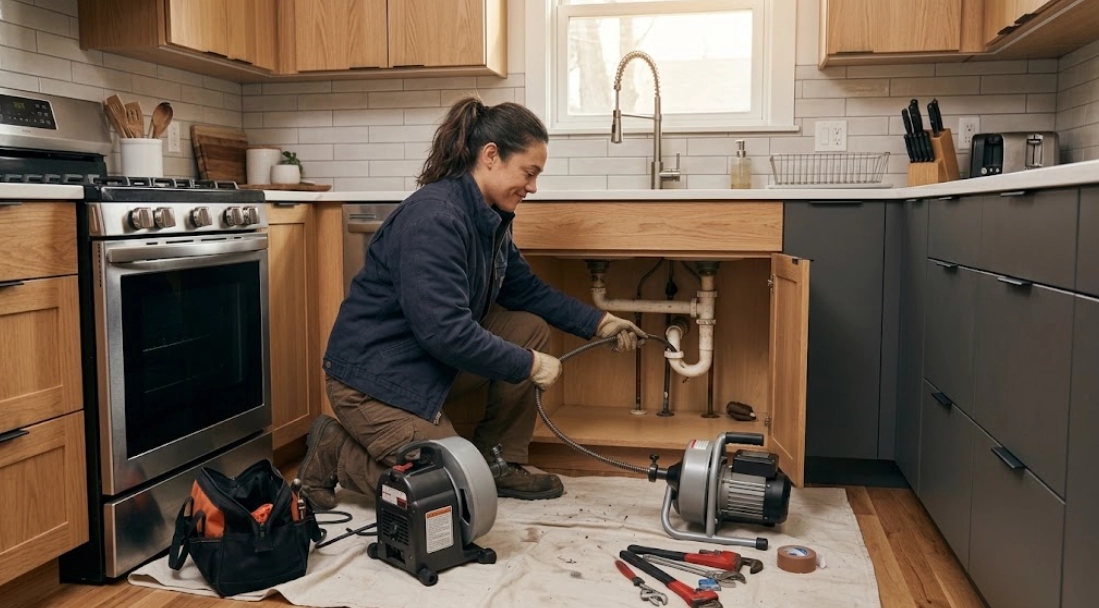
Restoring Free-Flowing Drainage Across South Brooklyn Properties
Plumbing drainage systems in Homecrest face daily demands from kitchens, bathrooms, and central heating boiler blowdown lines. In classic brick townhouses, detached two-family residences along Ocean Parkway, and apartment buildings near Kings Highway and Avenue U, waste lines are constructed primarily of heavy cast-iron and galvanized steel piping.
Over decades of continuous use, waste lines collect coagulated cooking grease, soap curd, hair accumulation, and mineral scale. When a sink or bathtub begins draining sluggishly, ignoring the problem invites a complete sewage backup. Our specialized drain cleaning Homecrest Brooklyn service uses heavy-duty mechanical equipment to eliminate stubborn blockages safely without damaging fragile older pipe walls.
Urgent Sewage Backup Warning
If wastewater backs up into your basement floor drain, bathtubs, or lower-level fixtures when upstairs plumbing is used, cease all water consumption immediately to prevent contamination. Call our emergency response team directly at (315) 202-8009.
Comprehensive Drain Clearing Solutions
Different drain lines require customized clearing techniques based on pipe material, diameter, and the specific blockage:
Kitchen Sink & Branch Lines
Kitchen waste lines regularly accumulate hardened grease, food particles, and dishwashing detergent residues. We clear traps and snake branch waste lines without damaging delicate under-sink slip joints.
Bathroom Fixtures & Main Drops
Lavatory basins, shower drains, and toilet branches suffer from soap scum, hair tangles, and hygiene product obstructions. We clear fixture traps and snake vertical drops to eliminate slow drainage and gurgling sounds.
High-Pressure Hydro Jetting
For heavy grease buildup in multi-family stacks or restaurant kitchens, hydro jetting utilizes calibrated water streams up to 4,000 PSI to scrub pipe walls clean. We evaluate older cast iron beforehand to ensure the piping can safely handle pressure washing.
High-Definition Camera Inspection
When clogs recur frequently in the same location, fiber-optic sewer cameras are fed through cleanouts to inspect the interior of the line, revealing hidden pipe fractures, heavy rust scaling, or root intrusion without invasive digging.
Common Causes of Drain Stoppages in Homecrest Homes
Understanding the underlying causes of drain failures helps property owners prevent recurring plumbing headaches:
- Cast-Iron Tuberculation: Older cast iron develops internal rust mounds (tubercules) that snag toilet tissue and solids, gradually restricting wastewater capacity.
- Kitchen Fats, Oils, and Grease (FOG): Liquid cooking grease hardens as it cools inside subterranean waste lines, forming stubborn blockages that plungers cannot dislodge.
- Tree Root Infiltration: Tree roots from mature street trees penetrate underground clay or cast-iron joints seeking water and nutrients, rapidly expanding into dense root balls.
- Improper Plumbing Venting: Obstructed roof plumbing vent stacks create negative air pressure inside drain lines, slowing drainage and siphoning water out of fixture traps.
Mechanical Cable Snaking vs. Hydro Jetting
Restoring drainage requires choosing the right tool for the job. Electric cable machines (mechanical snakes) use tempered steel cutting blades to bore through dense physical obstructions, such as tree roots, heavy paper blockages, or foreign objects. Snaking creates an immediate opening for water to flow, making it ideal for routine emergencies.
However, snaking primarily punches a relief path; it does not scrub pipe walls. For grease-heavy kitchen lines or chronic rust scale in older buildings, hydro jetting washes away grease, silt, and sludge across the full 360-degree circumference of the pipe. Prior to any high-pressure jetting, our mechanics inspect pipe age and structural wall integrity to protect vintage plumbing from accidental damage.
Integrating Drain Cleaning with Heating & Sewer Maintenance
Drain lines connect directly with your building's broader infrastructure. Central steam boilers require clean floor drains for weekly blowdown flushing, and domestic water heaters rely on floor drains to discharge safety relief valves.
If your main building drain backs up repeatedly across multiple fixtures, explore our specialized sewer line repair services. When drain clogs cause water to back up and escape through concealed wall chases, consult our non-invasive leak detection team. For central heating concerns, learn more about our trusted boiler repair in Homecrest protocols.
Preventative Drain Care Advice
Never dispose of cooking grease, coffee grounds, fibrous food waste, or flushable wipes down drains. Installing stainless steel mesh strainers in kitchen sinks and bathtub drains captures the vast majority of debris before it enters branch piping.
Frequently Asked Questions About Drain Cleaning
Many residential buildings in Homecrest feature vintage cast-iron waste lines that have accumulated decades of internal rust scaling (tuberculation), hardened cooking grease, and mineral deposits. These jagged internal surfaces snag solids and paper, causing clogs to reform quickly until mechanically scraped or hydro-jetted.
Cable snaking punches a hole through a clog to restore immediate flow. Hydro jetting uses high-pressure water streams to scour the entire 360-degree circumference of pipe walls, removing stubborn grease coats, mineral scale, and sludge. However, pipe condition must be verified first, as severely corroded cast iron may require gentle rodding.
Caustic chemical cleaners generate intense exothermic heat that warps PVC plastic traps, corrodes brass connections, and accelerates the deterioration of older cast-iron pipes. Furthermore, standing caustic chemicals create severe chemical burn risks for technicians who must subsequently snake the line.
If only one sink or shower is draining slowly, the stoppage is localized to that fixture trap or branch line. If multiple fixtures back up simultaneously, or if flushing a toilet causes water to surge into a nearby shower base or floor drain, the blockage is in the building's main sewer line.